

Game Animals
Non-game Animals
Habitat
Wood Ducks
Aix sponsa
- One of the most common waterfowl species breeding in the U.S.
- Habitat loss and overharvest were a problem decades ago
- Hunting regulations and habitat management saved this species in Mississippi
Species Description: Wood Ducks
Hunting regulations and habitat management have saved wood ducks from becoming extinct in Mississippi. They are one of three waterfowl species that nest annually in the state.
Wood ducks require habitats with suitable nesting spots and plenty of food sources. Their diet consist of insects, dogwood, acorns, coontail, duckweed, lotus, swamp privet and a variety of aquatic invertebrates.
Predators such as raccoons, snakes, bobcats and opossums feed on wood ducks’ eggs. The most effective way of managing their population is to provide adequate nesting areas. They nest in hollow trees and artificial boxes that provide room for hens to incubate eggs. The nests are usually in woodland areas within a one-half mile from lakes, rivers, or wetland areas.
Waste Rice: A Critical Commodity for Wintering Waterfowl (PDF)
Mississippi State University Forest and Wildlife Research Center
Rice is not only important to people but also to many species of waterfowl. This publication covers how flooding rice fields in the winter benefits the environment and saves money for farmers. Winter-flooding conserves soil and makes the fields easier to prepare in the spring. It also provides food and habitat for migrating waterfowl. Also provided in the publication are instructions for winter-flooding rice fields and charts and graphs on suspended solids, decomposition of rice straw and the growth of weeds.
Wood Duck Broods in Dixie: Striving to Survive Early Life (PDF)
MSU Forest and Wildlife Research Center
Nest success is important in sustaining duck populations, but survival of the ducklings after they exit the nest is critical. Using tiny radio transmitters, researchers were able to take measurements of ducklings, their mothers, and environment. Duckling survival is around 15-28%. Duckling survival is influenced by a number of factors.
Wood Ducks in Mississippi (PDF)
Mississippi State University Forest and Wildlife Research Center
This A physical description, habitat information, life history, molt information, the duck’s diet and predators, and management suggestions are given in this publication.
Waterfowl Habitat Management Handbook for the Lower Mississippi River Valley (PDF)
Mississippi State University Extension Service
This handbook provides extensive detailed information on the benefits of habitat management for waterfowl and the landowner, assistance available to landowners, waterfowl feeding habits and habitats, site selection, habitat management, and controlling nuisance plants and animals.
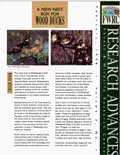
A New Nest Box for Wood Ducks (PDF)
Mississippi State University Forest and Wildlife Research Center
This publication discusses building a nest box that is about half the size of a normal nest box. These smaller boxes are less expensive to construct, lightweight, and prevent hens from laying too many eggs in one box. The type of wood and screws to use is discussed, as well as where to locate the box and how to avoid predators, and when to clean the boxes and check them to get data.
Winter-flooded Rice Fields Provide Waterfowl Habitat and Agricultural Values (PDF)
Mississippi State University Forest and Wildlife Research Center
Rice is not only important to people but also to many species of waterfowl. This publication covers how flooding rice fields in the winter benefits the environment and saves money for farmers. Winter-flooding conserves soil and makes the fields easier to prepare in the spring. It also provides food and habitat for migrating waterfowl. Also provided in the publication are instructions for winter-flooding rice fields and charts and graphs on suspended solids, decomposition of rice straw and the growth of weeds.
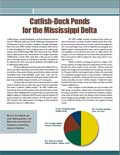
Catfish-Duck Ponds of the Mississippi Delta (PDF)
Mississippi State University Extension Service
Waterfowl are attracted to Mississippi Delta catfish ponds. This provides an opportunity for catfish farmers to supplement their income with a duck hunting lease. This guide provides information on how to manage former catfish ponds as duck habitat and how to lease the hunting rights.
Supplemental Wildlife Food Planting Manual for the Southeast (PDF)
Mississippi State University Extension Service
This guide provides information on food plots and habitat management practices including disking, mowing and prescribed burning. The importance of openings is also discussed. A combination of supplemental forages in food planting is often necessary, as well as testing soil quality, fertilizing and liming. The location, size and shape of food plots as well as how to prepare them and which plants to use is included. An extensive guide on planting materials is given.
Wood Duck: Fish and Wildlife Habitat Management Leaflet (PDF)
USDA NRCS Wildlife Habitat Management Institute
General information on the wood duck including range, habitat requirements, food requirements, nesting cover, brood-rearing cover, winter cover, and habitat. Detailed instructions on building a wood duck nest box are included. Limiting habitat factors and specific management prescriptions are listed in an easy-to-use table.
Wildlife Management Guide: Wood Duck (PDF)
South Carolina Department of Natural Resources
Food plants, habitat requirements, and standard management practices for wood duck habitat.
See the Bluff Lake Rookery during nesting season up close and personal. Wading birds such as little blue herons, great egrets, and more nest in this rookery in the productive wetland of Bluff Lake.